

How to Adopt an Infant Through a Private Christian Adoption Agency in Texas
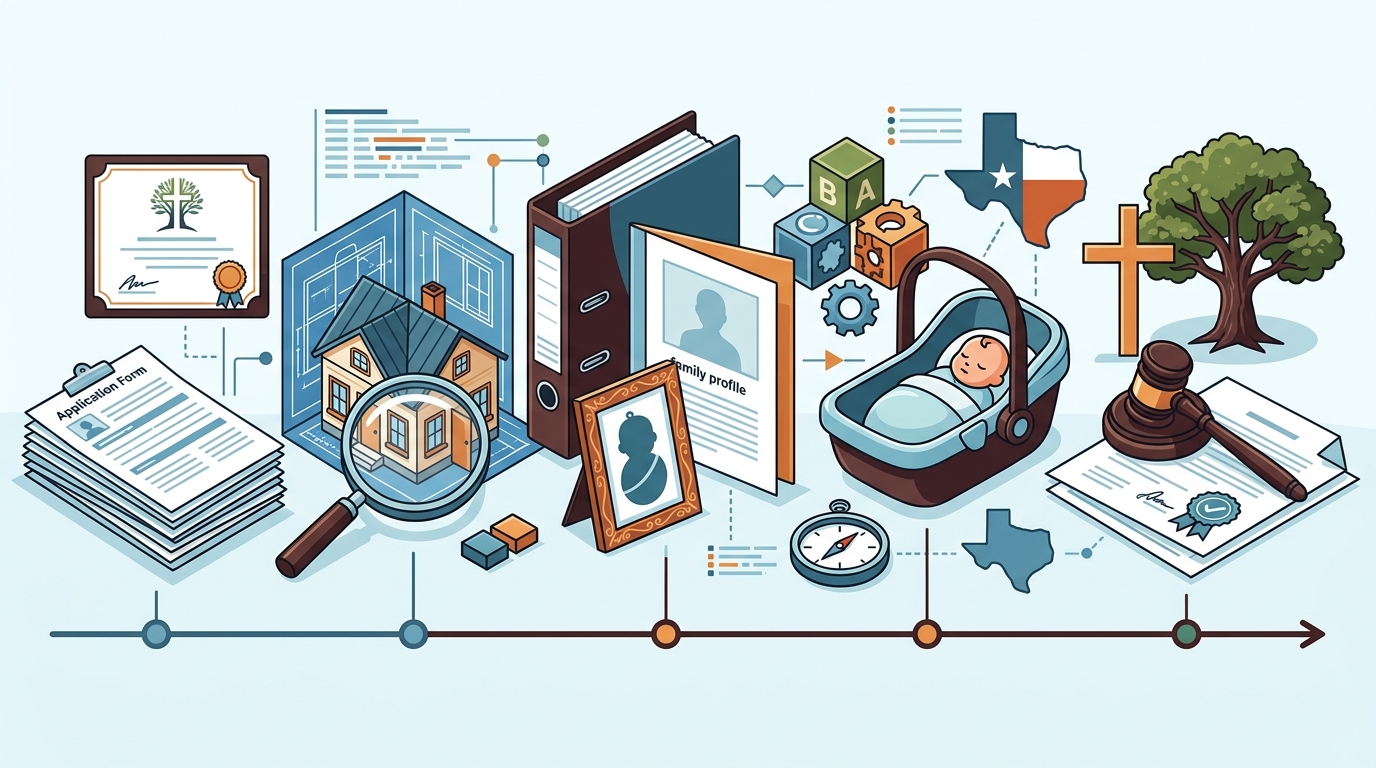
Adopting an infant through a private Christian adoption agency in Texas involves selecting a state-licensed provider, completing a home study, creating a family profile, and navigating post-placement supervision. This guide outlines the specific steps required by Texas law and the operational standards of Lifetree Adoption Agency. It covers the four critical phases of the process, from initial application to finalization, ensuring you understand the legal and emotional commitments involved in building your family.
Licensed Agency Selection
Choosing the right agency is the foundation of a successful adoption. In Texas, adoption agencies must be licensed by the state to ensure they meet specific standards of care and legal compliance. Licensed adoption agency is a private or non-profit organization authorized by the Texas Department of Family and Protective Services to facilitate adoptions. When selecting a provider, you must verify their accreditation and their specific approach to the adoption process.
Verifying State Licensing
Before signing any contracts, confirm that the agency holds a current license. This ensures that the agency is subject to state oversight and that the legal documents they provide are valid. You should also check if the agency is accredited by national bodies, which often indicates a higher standard of practice. At Lifetree Adoption, we are a state-licensed child-placing agency regulated by the Texas Health and Human Service Commission. This regulation ensures that every step of the process, from matching to finalization, adheres to strict legal and ethical guidelines.
Aligning with Christian Values
For many families, faith is a central component of their identity and their desire to adopt. A Christian-based agency will integrate faith into the support services they provide. This can include spiritual counseling, prayer support, and a community of like-minded families. It is important to discuss how the agency incorporates faith into the adoption journey, particularly when explaining adoption to your child in the future. Lifetree’s mission is rooted in Christian values, believing that every child is a gift and that adoption is a powerful expression of love and grace.
Scope of Services
Not all agencies offer the same level of support. Some may only handle the legal paperwork, while others provide comprehensive support including counseling, financial assistance, and post-adoption services. You should look for an agency that offers a full spectrum of services. This includes support for birth parents, which is crucial for a healthy placement. Lifetree provides free counseling, guidance, and support to birth parents before, during, and after birth. This holistic approach ensures that the placement is made with the best interests of the child in mind, reducing the risk of disruption.
Home Study Requirements
The home study is a mandatory legal requirement for all adoptions in Texas. It is a comprehensive evaluation of your home, lifestyle, and readiness to adopt. Home study is a detailed assessment conducted by a licensed social worker to determine if a prospective adoptive parent is suitable to adopt a child. This process is not a test to pass or fail, but rather a tool to help you prepare for parenthood and to provide the court with the information it needs to finalize the adoption.
The Application and Interview Process
The home study typically begins with a written application and a series of interviews. The social worker will visit your home to assess the physical environment and to meet with all household members, including other children. They will discuss your background, health, finances, and parenting philosophy. At Lifetree, our personnel conduct the home study interview at your home. We rate the quality of the physical environment and discuss your readiness to adopt. This scrutiny can feel anxious, but it is a standard part of the process that all courts require.
Documentation and Background Checks
You will need to provide various documents, including birth certificates, marriage certificates, and financial statements. Background checks are also required for all adults in the household. These checks ensure the safety of the child and are a standard part of the legal process. The social worker will review these documents and may request additional information if needed. It is important to be transparent and honest during this process. Any discrepancies can delay the adoption or result in a denial.
Timeline and Duration
The home study process can take several weeks to complete. The timeline depends on how quickly you can provide the required documents and schedule the interviews. Once the home study is complete, it is submitted to the court. In Texas, a home study is generally valid for a specific period, after which it may need to be updated. Lifetree provides personal and confidential counseling throughout this process to help you navigate the emotional aspects of the home study. We are dedicated to meeting your needs and ensuring you feel supported at every step.
Post Placement Supervision
After the child is placed in your home, the adoption is not yet final. Texas law requires a period of post-placement supervision to ensure the child is adjusting well and that the placement is stable. Post-placement supervision is a period of monitoring by a social worker after the child is placed in the adoptive home, prior to the finalization of the adoption. This period is designed to protect the child and to provide support to the adoptive family during the transition.
The Supervision Period
In Texas, the post-placement supervision period typically lasts for a set number of months. During this time, the social worker will visit your home to check on the child’s well-being and to discuss any concerns you may have. They will also observe the interaction between the child and the adoptive parents. This is a supportive process, not a punitive one. The goal is to ensure that the child is safe and that the family is adjusting well. Lifetree works closely with the court and the social worker to ensure that the post-placement period goes smoothly. We are available to answer any questions you may have during this time.
Finalization of the Adoption
Once the post-placement supervision period is complete and the social worker has submitted a favorable report, the adoption can be finalized in court. The finalization hearing is a legal proceeding where the judge reviews the case and issues the final adoption decree. This decree legally establishes the parent-child relationship. After finalization, the adoptive parents have the same legal rights and responsibilities as biological parents. Lifetree answers common questions about the finalization process, including whether the relinquishment of parental rights is final. In most cases, once the adoption is finalized, the birth parents cannot request the child back.
Family Profile Creation
Your family profile is a document that you share with birth parents to help them choose you as the adoptive family. It is a personal and heartfelt description of who you are, your lifestyle, and your hopes for the child. Family profile is a written and visual presentation of the adoptive family, used by birth parents to select the family that will raise their child. This is a critical part of the matching process, as it allows birth parents to get to know you before the placement.
Content and Tone
Your profile should be honest, warm, and inviting. It should include information about your family, your home, your community, and your faith. You should also include photos that show your daily life and your interactions with each other. The tone should be conversational and genuine. Avoid being overly formal or stiff. Birth parents want to feel a connection with you. At Lifetree, we help you create a profile that reflects your true self. We provide guidance on what to include and how to present your story in a way that resonates with birth parents.
Sharing the Profile
Once your profile is complete, it is shared with birth parents who are considering adoption. The agency may also provide additional information about you, such as your home study summary. It is important to be prepared to answer questions from birth parents about your profile. You may be asked to meet with the birth parent or to have a phone call. Lifetree allows you to select the type of adoption scenario you desire, including the level of contact you want with the birth parents. This can range from open adoption, where you share full names and addresses, to closed adoption, where no contact is made.
Types of Adoption
The level of contact you have with the birth parents is a personal decision. You should discuss this with your partner and with your counselor. There is no right or wrong answer, but it is important to be clear about your expectations. Lifetree offers three types of adoption: Open, Semi-Open, and Closed. Each type has its own benefits and challenges. You should choose the type that feels most comfortable for you and that aligns with your values.
Comparison of Adoption Types
| Adoption Type | Level of Contact | Information Shared | Best For |
|---|---|---|---|
| Open | Ongoing relationship | Full names, addresses, direct contact | Families who want a lifelong connection with the birth family |
| Semi-Open | Mediated contact | First names, photos, letters through agency | Families who want some contact but prefer privacy |
| Closed | No contact | Medical/genetic information only | Families who prefer no ongoing relationship with the birth family |
Key Takeaways
- Always verify that your adoption agency is licensed by the Texas Department of Family and Protective Services.
- The home study is a mandatory legal requirement that assesses your readiness to adopt.
- Post-placement supervision is a period of monitoring that ensures the child’s safety and adjustment.
- Your family profile is a personal document that helps birth parents choose you as their child’s family.
- You can choose the type of adoption that feels most comfortable for you, from open to closed.
- Christian-based agencies like Lifetree provide spiritual and emotional support throughout the process.
- Transparency and honesty are crucial during the home study and matching process.
- Finalization of the adoption is a legal proceeding that establishes the parent-child relationship.
Frequently Asked Questions
What is required to become an adoptive parent in Texas?
You must complete a home study, pass background checks, and attend a finalization hearing. You must also be of legal age and have the financial resources to raise a child.
How long does the home study process take?
The home study process typically takes several weeks to complete, depending on how quickly you can provide the required documents and schedule the interviews.
Can I choose the type of adoption I want?
Yes, you can choose the type of adoption that feels most comfortable for you. This includes the level of contact you want with the birth parents.
What is post-placement supervision?
Post-placement supervision is a period of monitoring by a social worker after the child is placed in your home, prior to the finalization of the adoption.
How do I create a family profile?
Your family profile is a written and visual presentation of your family. It should include information about your lifestyle, your faith, and your hopes for the child.
Is the relinquishment of parental rights final?
In most cases, once the adoption is finalized, the birth parents cannot request the child back. The relinquishment of parental rights is final.
Can I adopt if I already have children?
Yes, you can adopt if you already have children. The home study will include an assessment of your entire household, including your existing children.
What is the role of a Christian adoption agency?
A Christian adoption agency provides spiritual and emotional support to adoptive families and birth parents. It integrates faith into the adoption process and helps families navigate the emotional aspects of adoption.
Conclusion
Adopting an infant through a private Christian adoption agency in Texas is a profound and life-changing journey. By understanding the key steps, from selecting a licensed agency to completing the home study and creating your family profile, you can navigate this process with confidence and peace of mind. Contact Lifetree Adoption Agency to learn more about how we can support you in fulfilling your dream of becoming a parent. Our team is here to guide you every step of the way, with compassion, professionalism, and faith.