

Hospital Delivery Planning for Adoptive Families: A Complete 2026 Guide
Hospital delivery planning for adoptive families is a critical phase that bridges the gap between legal finalization and the physical arrival of your child. According to recent data from the National Council For Adoption, approximately 60% of domestic infant adoptions involve some level of birth parent involvement during the hospital stay. This statistic highlights why proactive planning is not just a logistical exercise but an emotional necessity. Without a clear strategy, the high-stakes environment of a maternity ward can lead to unnecessary stress for both the adoptive parents and the birth mother. This guide provides a structured framework to navigate these final weeks with confidence, ensuring that your family's needs are met while respecting the birth family's wishes.
Understanding the Hospital Plan
The hospital plan, often referred to as the birth plan in adoption contexts, is a written document that outlines your preferences for the time spent in the hospital. It is not a legally binding contract but a communication tool that helps align expectations between adoptive parents, birth parents, and medical staff. This document should cover specific areas such as rooming arrangements, photography, and the duration of contact.
Adoptive families must recognize that the birth mother's health and comfort are the primary priorities. The plan should be flexible enough to accommodate medical emergencies or changes in the birth mother's emotional state. For instance, if the birth mother decides she needs more private time immediately after delivery, the plan must allow for that shift without conflict. This flexibility is a cornerstone of ethical adoption practice.
At Life Tree Adoption, we emphasize that the hospital plan is a living document. It should be reviewed and updated as the due date approaches. This ensures that all parties are on the same page regarding the most current preferences and medical realities. A well-crafted plan reduces anxiety for everyone involved by removing ambiguity from the situation.
Legal and Medical Preparation
Before the baby arrives, several legal and medical prerequisites must be in place to ensure a smooth transition. One of the most critical steps is the execution of consent forms. Consent laws vary significantly by state, and understanding the revocation period is essential for adoptive parents. In some jurisdictions, birth parents have a specific window during which they can change their mind, while in others, consent is irrevocable once signed.
Medical preparation involves coordinating with the hospital's social work department. Many hospitals have adoption liaisons who can help facilitate the placement process. It is advisable to contact the hospital well in advance to introduce yourself and discuss their specific protocols for adoptive families. This proactive approach can prevent administrative delays when the baby is born.
Additionally, adoptive parents should ensure that their home study is current and that all legal clearances are in order. A delayed home study update can complicate the immediate placement process. Working closely with your adoption attorney is vital to ensure that all legal paperwork is ready to be signed the moment the baby is born. This readiness allows the medical staff to focus on patient care rather than administrative hurdles.
Communication Strategies with Birth Parents
Effective communication is the backbone of a successful hospital experience. The relationship between adoptive parents and birth parents can vary widely, from open and collaborative to limited and formal. Regardless of the level of contact, clear and respectful communication is non-negotiable. Active listening is a critical skill that helps adoptive parents understand the birth mother's needs and concerns.
It is important to discuss boundaries and expectations early in the process. This includes topics such as who will be present in the delivery room, how much time the adoptive parents will spend with the baby, and whether the birth parents will hold the baby first. These discussions should be handled with sensitivity and empathy, recognizing that the birth mother is undergoing a significant emotional and physical experience.
During the hospital stay, it is helpful to have a designated point of contact, often the adoption counselor, to mediate any misunderstandings. This person can help ensure that the agreed-upon plan is followed while also allowing for necessary adjustments. Maintaining a calm and supportive demeanor can help create a positive environment for all parties involved.
Packing and Logistics
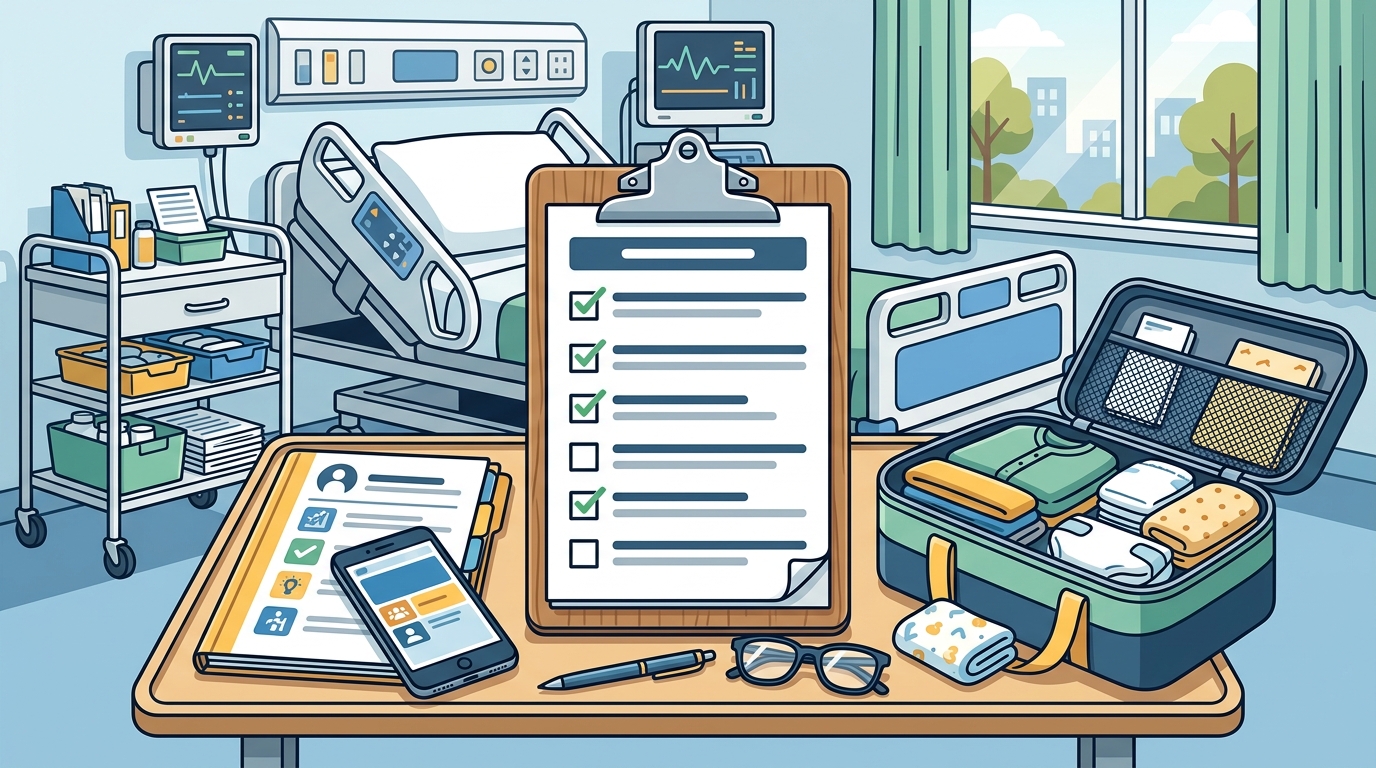
Being prepared for an unexpected hospital stay is crucial for adoptive parents. The baby could arrive at any time, and being ready to go at a moment's notice can reduce stress significantly. Essential items to pack include comfortable clothing, toiletries, and any necessary electronics for communication with your adoption agency.
Consider packing a "go-bag" with essentials for both you and your partner. This might include snacks, water, chargers, and a change of clothes. If you are traveling from out of town, ensure that your travel arrangements are flexible and that you have a clear plan for accommodation near the hospital. Proximity to the hospital can be a significant advantage during the final stages of pregnancy.
Another logistical consideration is the preparation of the baby's discharge outfit. Hospitals often require specific clothing for the baby to leave in, so having a few options ready can streamline the discharge process. Additionally, ensure that you have the necessary documentation for the baby's discharge, such as identification and legal paperwork, as required by the hospital and state laws.
Post-Placement Support
The period immediately following the hospital stay is often emotionally intense for adoptive parents. It is common to experience a mix of joy, exhaustion, and anxiety. Post-placement support is essential for helping adoptive parents navigate these complex emotions. Many adoption agencies offer counseling services and support groups specifically for this phase.
It is also important to maintain the relationship with the birth family as agreed upon in the post-adoption contact agreement. This might involve sending updates, photos, or letters. Consistency in communication helps build trust and provides reassurance to the birth parents that their child is thriving. For adoptive parents, these updates can also be a source of comfort and connection.
Finally, do not underestimate the importance of self-care during this time. Prioritize rest, nutrition, and mental health. The arrival of a new child is a major life event, and taking care of yourself ensures that you are fully present for your child. At Life Tree Adoption, we provide resources and referrals to help families access the support they need during this critical period.
Key Takeaways
- Flexibility is Key: The hospital plan should be adaptable to the birth mother's needs and medical circumstances.
- Legal Readiness: Ensure all consent forms and legal clearances are in place before the due date.
- Clear Communication: Establish boundaries and expectations with birth parents early and maintain open dialogue.
- Logistical Preparedness: Pack a go-bag and confirm travel and accommodation plans in advance.
- Emotional Support: Utilize counseling and support groups to navigate post-placement emotions.
- Relationship Building: Honor post-adoption contact agreements to maintain trust with the birth family.
- Self-Care: Prioritize your own well-being to be fully present for your new child.
Frequently Asked Questions
How early should I start planning the hospital stay?
You should begin discussing the hospital plan with your adoption counselor and birth parents during the second or third trimester. This allows ample time to address any concerns and make adjustments as needed.
Can I choose who is in the delivery room?
Yes, the birth mother has the final say on who is present in the delivery room. It is important to respect her wishes and discuss your preferences respectfully beforehand.
What happens if the birth parents change their mind?
If the birth parents decide to parent the child, it is a difficult but legal possibility. Your adoption attorney will guide you through the legal implications, and your counselor will provide emotional support during this time.
How long do adoptive parents typically stay in the hospital?
The duration of the stay varies based on the birth mother's preferences and medical needs. Some families spend a few hours, while others may stay for several days. This should be discussed and agreed upon in the hospital plan.
Do I need to bring my own baby clothes?
While hospitals often provide basic discharge outfits, bringing your own clothes can be more comfortable and personalized. Check with the hospital regarding their specific requirements.
What is a post-adoption contact agreement?
A post-adoption contact agreement is a legally binding or non-binding agreement that outlines the level of ongoing contact between the adoptive family and the birth family after the adoption is finalized.
How can I manage my anxiety during the hospital stay?
Practice relaxation techniques, stay connected with your support system, and rely on your adoption counselor for guidance. Remember that you are prepared and capable of handling this experience.
Start Your Journey with Life Tree Adoption
Navigating the hospital delivery process is a pivotal moment in your adoption journey. With the right preparation and support, you can create a positive and meaningful experience for your family and the birth family. At Life Tree Adoption, we are dedicated to guiding you through every step of this process. Explore our adoption services to learn more about how we can support you. Contact us today to schedule a consultation and begin your path to parenthood.