

Choosing the right adoption plan is one of the most significant decisions a family will ever make. In Texas, the landscape of adoption has shifted dramatically over the last decade. According to the Texas Health and Human Services Commission, the majority of private infant adoptions now involve some level of openness. This shift means that families who stick to rigid, outdated models often find themselves disconnected from the reality of modern adoption. Understanding the nuances between open and closed arrangements is critical for ensuring a healthy outcome for the child, the birth parents, and the adoptive family. (Contact Lifetree Adoption Agency)
Understanding Open Adoption
Open adoption is defined as a type of adoption where the birth parents and adoptive parents have some form of ongoing contact. This contact can range from exchanging letters and photos to regular video calls and in-person visits. The core principle is transparency and the preservation of the child's connection to their origins.
For many families in Dallas and across Texas, this model offers peace of mind. Knowing that the child is thriving and having access to their medical history can reduce anxiety. However, it requires a high degree of emotional maturity and flexibility from the adoptive parents. It is not about competing with the birth family, but rather collaborating for the child's well-being.
Understanding Closed Adoption
Closed adoption is defined as a process where all identifying information is sealed, and there is no contact between the parties after the adoption is finalized. This model was the standard for decades, driven by societal stigma and a desire for privacy. In a closed arrangement, records are typically held by the state or the agency, and access is strictly regulated.
While some families still prefer this level of separation, it is becoming increasingly rare in private infant adoption. The lack of medical updates and the potential for the child to feel a sense of loss or confusion later in life are significant drawbacks. Research from the Child Welfare Information Gateway suggests that openness is generally beneficial for a child's identity formation.
Mistake 1: Assuming Rigidity is Necessary
One of the most common errors families make is insisting on a fixed plan that cannot adapt. Many prospective parents believe they must choose between a fully open or fully closed arrangement at the start. This binary thinking ignores the fluid nature of human relationships. A plan that works at birth may not work when the child is ten years old.
Families who fail to remain flexible often find themselves in conflict with birth parents who may need more or less contact over time. Lifetree Adoption emphasizes that adoption plans are living documents. They should evolve as the child grows and as relationships deepen. Being open to adjusting the level of contact is a sign of strength, not weakness.
Mistake 2: Neglecting Communication Boundaries
Another critical mistake is failing to establish clear, written boundaries. Without explicit agreements, misunderstandings can arise quickly. For example, an adoptive parent might expect weekly updates, while the birth parent might only be able to manage monthly emails. This mismatch can lead to feelings of rejection or pressure.
Effective communication requires regular check-ins and a willingness to listen. It is essential to discuss not just the frequency of contact, but the methods. Will it be through the agency? Direct social media? In-person meetings? Defining these details early prevents future hurt feelings. According to adoption best practices outlined by child welfare organizations, written post-adoption agreements provide a necessary framework for these relationships.
Mistake 3: Ignoring Legal Realities in Texas
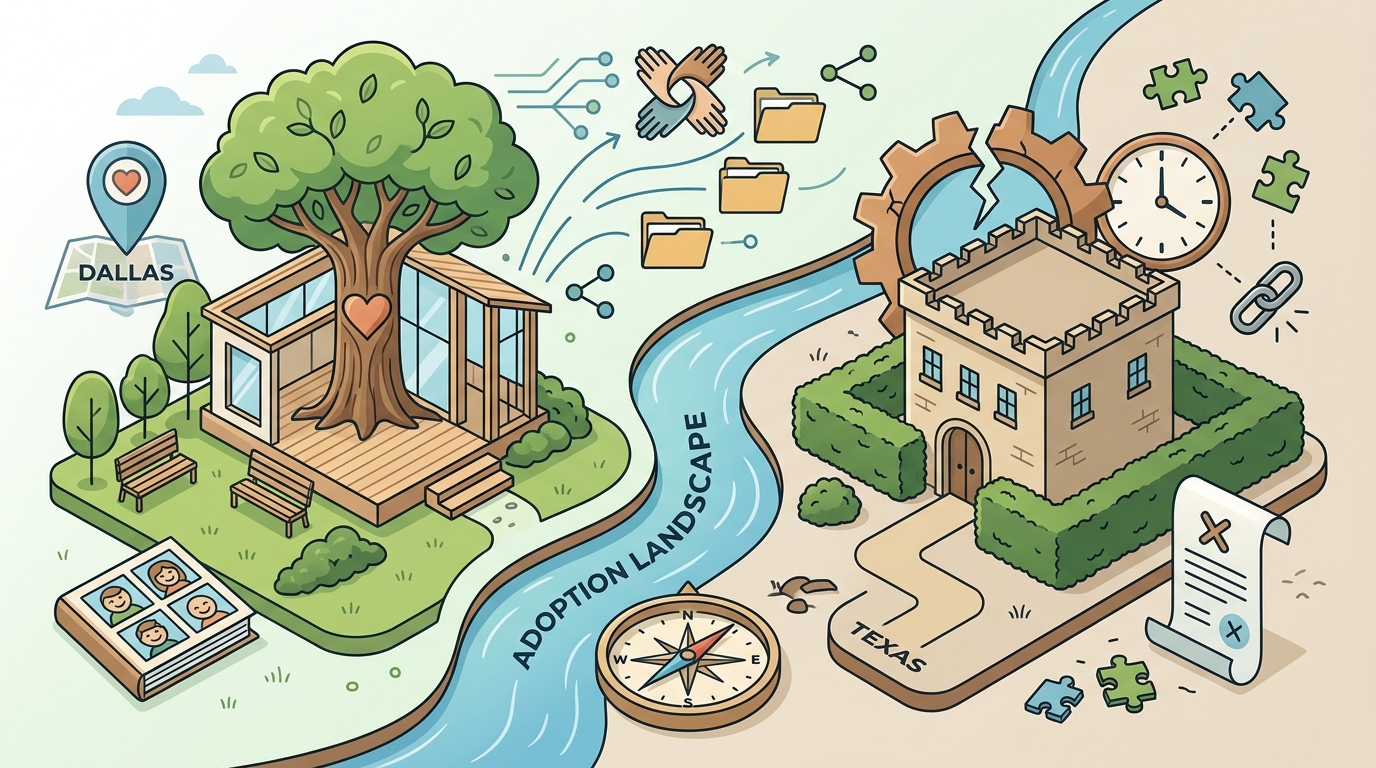
Texas law presents a unique landscape for adoption agreements. A major mistake families make is assuming that a private post-adoption contact agreement is legally enforceable in all circumstances. In Texas, these agreements are generally considered moral commitments rather than strictly enforceable legal contracts. This means that if one party decides to stop contact, the other party has limited legal recourse.
Families must understand this legal reality to manage their expectations. The relationship must be built on trust and mutual respect, not legal threats. Working with a state-licensed agency like Lifetree Adoption ensures that you are navigating these legal nuances correctly. Our agency is regulated by the Texas Health and Human Service Commission and provides guidance on these complex legal structures.
Mistake 4: Failing to Educate the Child
Families often focus so much on the birth parents that they neglect to prepare their own child. A common error is waiting until the child is older to discuss their adoption story. Early, age-appropriate education is vital. Children need to understand their narrative from a young age to develop a healthy self-identity.
This includes using correct terminology and celebrating their unique story. If the adoption is open, the child should understand that their birth parents made a loving choice. If it is closed, the child should understand that their story is still valid and important. Experts in child development emphasize that early disclosure reduces shame and fosters trust within the adoptive family.
Mistake 5: Pressuring Birth Parents
Perhaps the most damaging mistake is pressuring a birth mother to choose a specific level of openness. Birth parents are making an incredibly difficult decision. They need space to process their emotions and make choices that feel right for them at that moment. Demanding a certain level of contact can create resentment and damage the relationship before it even begins.
Instead of demanding, families should express their preferences and hopes. They should be prepared to honor the birth parent's wishes, even if they differ from their own. This respect builds a foundation of trust. Studies on adoption outcomes indicate that respectful engagement leads to better long-term results for all parties involved.
Comparison of Adoption Types
| Feature | Open Adoption | Closed Adoption |
|---|---|---|
| Contact Level | Ongoing (Letters, Calls, Visits) | None or Sealed Records |
| Medical History | Direct Access | May Be Limited or Sealed |
| Legal Enforceability | Generally Moral Commitment | Strictly Sealed by Law |
| Child Identity | Stronger Sense of Origin | May Require More Exploration |
| Flexibility | High | Low |
Key Takeaways
- Flexibility is Key: Adoption plans should evolve as the child grows and relationships change.
- Legal Reality: Post-adoption contact agreements in Texas are moral, not strictly legal, commitments.
- Communication: Clear, written boundaries prevent misunderstandings and hurt feelings.
- Child Education: Start discussing adoption early to foster a healthy self-identity.
- Respect Birth Parents: Avoid pressuring birth parents into specific contact levels.
- Trust Building: Relationships are built on mutual respect, not legal threats.
- Professional Guidance: Work with a state-licensed agency to navigate complex emotions and laws.
Frequently Asked Questions
What is the difference between open and closed adoption?
Open adoption involves ongoing contact between the birth family and adoptive family, while closed adoption seals all records and prevents contact.
Is post-adoption contact legally enforceable in Texas?
In Texas, post-adoption contact agreements are generally considered moral commitments rather than legally enforceable contracts.
Can I change my adoption plan after it is signed?
Yes, adoption plans are living documents and can be adjusted as relationships evolve and the child's needs change.
Why is open adoption becoming more common?
Research shows that openness benefits the child's identity formation and provides access to vital medical history.
How do I explain adoption to my child?
Use age-appropriate language and start early. Celebrate their story and the love that brought your family together.
What if my birth parent wants no contact?
Respect their wishes. Building trust is more important than immediate contact. Relationships can develop over time.
How does Lifetree Adoption help with these decisions?
We provide counseling, legal guidance, and mediation to help families navigate the complexities of open and closed adoption.
What are the benefits of open adoption for the child?
Children in open adoptions often have a stronger sense of identity and access to their medical and genetic history.
Start Your Journey
Navigating the choice between open and closed adoption is a deeply personal journey. It requires courage, empathy, and a willingness to learn. At Lifetree Adoption, we are committed to guiding you through every step of this process. Whether you are a birth parent considering your options or an adoptive family looking to build a connection, we are here to support you.
Our team of experienced professionals is dedicated to helping families in Dallas and across Texas find the path that is right for them. We combine faith-based values with expert legal and emotional support to ensure a positive outcome for everyone involved. Contact Lifetree Adoption Agency today to schedule a consultation and learn more about how we can help you achieve your dream of parenthood.